Deep Tissue Massage vs Sports Massage: What Is the Difference?
The terms are often used interchangeably, but they are not quite the same. Here is how to choose.
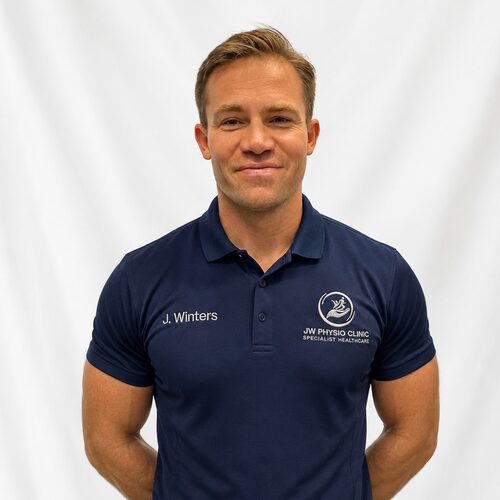 Written by John Winters, HCPC-registered physiotherapist (PH114616)
Last reviewed 28 October 2026
Why the Terms Get Confused
"Deep tissue massage" and "sports massage" are both firmer than a relaxation massage, and they share many techniques, so people often use them interchangeably. There is no strict rulebook, and different therapists use the terms slightly differently. Understanding the general ideas will help you ask for what you actually want.
What Is Deep Tissue Massage?
Deep tissue massage uses slower strokes and firmer pressure to reach the deeper layers of muscle and the connective tissue around them. It is commonly used for chronic muscle tension, stiffness and knots, often in areas such as the neck, shoulders and lower back. The approach is generally about working through persistent tightness rather than preparing for a particular activity.
What Is Sports Massage?
Sports massage is a broader approach linked to activity and performance. It may be used before an event to prepare muscles, after one to support recovery, or during training to manage tightness and maintain movement. Therapists draw on techniques that may include deep pressure, but also faster, lighter work and stretching, depending on the aim.
The Main Differences at a Glance
- Purpose: deep tissue focuses on persistent tension, while sports massage is tied to activity, training and recovery
- Pace: deep tissue tends to be slower, while sports massage varies depending on the goal
- Techniques: sports massage often includes stretching and movement as well as pressure
- Timing: sports massage can be pre-event, post-event or maintenance
Which Should You Choose?
If you have long-standing tightness in a particular area, for example from desk work, deep tissue may suit you. If you are training regularly or preparing for an event, sports massage is often a better fit. If you are not sure, tell your therapist what you are trying to achieve, and they will tailor the session.
What About Pain?
Firm massage can be uncomfortable, but it should not be agonising. Pressure that is too heavy may cause you to tense up, which defeats the purpose, and it can leave you more sore than necessary. Communicate throughout the session.
When a Physio Appointment Is Better
If your pain is sharp, has followed an injury, is spreading, or has lasted weeks without improvement, a physiotherapy assessment is usually the better first step. Massage can ease muscles, but it will not diagnose what is causing the problem or give you a rehabilitation plan.
Common Techniques You Might Experience
Whichever name is on the booking, your therapist may use a mix of techniques. Effleurage uses long gliding strokes to warm tissue and assess tension. Petrissage uses kneading to work into muscle. Friction and focused pressure can target specific tight areas, and stretching can help restore movement. A good therapist adapts the combination to how your body responds on the day.
Does Deeper Pressure Mean Better Results?
Not necessarily. Muscles that are protected against pain can tighten further, so extremely heavy pressure is not always productive. Many people get a better result from moderate, well-targeted pressure, and a longer session at a comfortable level often beats a short, aggressive one. Use a scale from one to ten and aim for a level that feels firm but tolerable.
Safety Points
- Tell your therapist about blood thinners, bruising tendencies, skin problems or recent surgery
- Avoid heavy treatment directly over a recent injury, swelling or suspected clot
- Seek medical advice for calf pain and swelling in one leg, or for pain with chest symptoms
- Drink water as normal afterwards and give yourself a gentle day if you feel sore
What to Ask When You Book
Ask the clinic what the appointment includes, how long it lasts and whether the therapist can focus on the area that bothers you most. If you are not sure which style fits, describe your goals and let the therapist recommend an approach.
Booking in Loughton
We offer sports and remedial massage at our Loughton clinic, and you can book online. If you would like to talk it through first, call or message the team.
Frequently Asked Questions
Not exactly. They overlap, but deep tissue focuses on persistent muscle tension with slower, firmer work, while sports massage is linked to training, performance and recovery.
It depends on the cause. For general muscular tightness, either may help, but persistent or worsening back pain should be assessed by a physiotherapist.
Some people feel mild soreness for a day or so after firmer massage, which usually settles quickly.
It depends on your goals. Some people have one session before an event, others monthly for maintenance. Your therapist can suggest a plan.
Talk to the JW Physio Clinic team
Book an appointment at our Loughton clinic. No GP referral is needed, and same-week appointments are usually available.
Book an Appointment Sports and deep tissue massage in LoughtonRelated Reading
- Sports Massage in Loughton: What to Expect
- Sports Massage vs Physiotherapy: What's the Difference, and Which Do You Need?
- Lymphatic Drainage Massage Explained: What It Is and Who It Suits
This article is general information and is not a substitute for an individual assessment. If you are worried about your symptoms, speak to a healthcare professional.
Book a Massage
Deep tissue and sports massage at our Loughton clinic.
Book an Appointment Call 02031 466 837 Text Us