Do You Need an MRI? When a Scan Helps and When It Does Not
A scan can sound like the obvious answer to pain, but it is not always needed. Here is when an MRI helps.
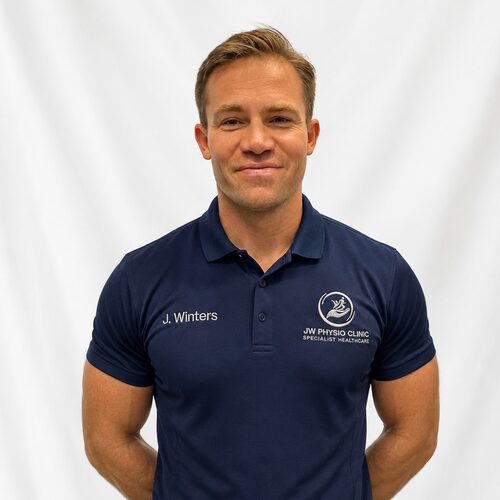 Written by John Winters, HCPC-registered physiotherapist (PH114616)
Last reviewed 9 November 2026
What Is an MRI?
Magnetic resonance imaging (MRI) uses a strong magnetic field and radio waves to produce detailed pictures of soft tissues, such as discs, ligaments, tendons, cartilage and nerves, as well as bone. It does not use ionising radiation, unlike X-rays and CT scans.
Why Most Aches and Pains Do Not Need One
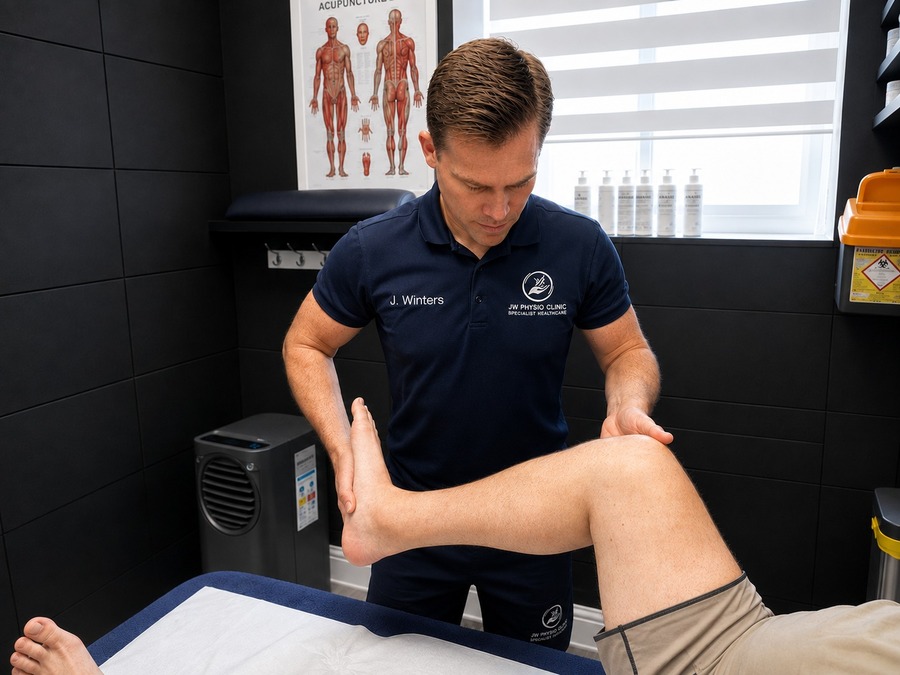
The great majority of musculoskeletal problems can be assessed, diagnosed and treated without imaging. A detailed history and examination give a physiotherapist most of the information they need. Many people also have scan findings, such as disc bulges or cartilage changes, that cause no symptoms at all. Finding these on a scan can create unnecessary worry or lead to treatment that does not help.
When an MRI Can Help
An MRI may be useful when:
- There are red-flag symptoms that need to be ruled out
- A suspected structural injury, such as a significant ligament, meniscus or tendon tear, would change management
- Symptoms are not improving as expected despite appropriate treatment
- Surgery or an injection is being considered, and the scan will guide the decision
- The diagnosis is unclear after a thorough examination
When It May Not Help
- Recent-onset back pain without red flags
- Pain that is improving with treatment
- Mild or short-lived symptoms
- Situations where the result would not change what is done
How Private MRI Referral Works Through Us
It starts with a physiotherapy assessment. If your assessment suggests a scan would add useful information, we can refer you onward to a private imaging provider, based on your clinical findings so that the right area is scanned and the report answers the right questions. You book directly with the provider at a time that suits you, and results are shared with you and back to us so we can use them to guide your plan. Private scans are often quicker to arrange than NHS imaging for non-urgent problems, though availability varies by provider and scan type.
Preparing for an MRI
- Tell the imaging team about any metal in your body, implants, pacemakers or previous surgery
- Remove jewellery and metal items
- Wear comfortable clothes without metal fasteners
- Let them know if you are claustrophobic, as options can help
- Be ready to lie still for the duration of the scan
What Happens After the Scan?
A radiologist writes a report, and we interpret it together with your symptoms and examination findings. Some findings change the plan, while others are incidental. We explain what the result means in plain English and what to do next.
Scan Findings Are Not Always the Cause of Pain
Imaging reports often list findings such as disc degeneration, small tears or arthritis changes. These are common as we age, including in people without pain. A good clinician looks at how the findings match your symptoms and examination, and does not treat the scan alone.
Questions to Ask Before a Scan
- What are we hoping to learn from this scan?
- Will the result change my treatment?
- What are the alternatives, such as ultrasound?
- How quickly can I get the scan and the report?
- Will my insurer cover it?
Frequently Asked Questions
Usually not at first. Most back pain improves without a scan, and an MRI is generally considered only if red-flag symptoms are present, symptoms are not improving, or an injection or surgery is being considered.
Yes, a private MRI can be arranged through a physiotherapist or private provider after assessment. Check with your insurer if you plan to claim.
They show different things. An MRI shows soft tissues in more detail, while an X-ray is better for bone. The right test depends on your problem.
It varies by scan type and area. Your imaging provider will tell you when you book.
Talk to the JW Physio Clinic team
Book an appointment at our Loughton clinic. No GP referral is needed, and same-week appointments are usually available.
Book an Appointment MRI referral in LoughtonRelated Reading
- Lower Back Pain: Causes, Self-Care and When to See a Physio
- Physiotherapy vs Ultrasound-Guided Injection: Which Do You Need First?
- Knee Pain: When to See a Physio and What Helps
This article is general information and is not a substitute for an individual assessment. If you are worried about your symptoms, speak to a healthcare professional.
MRI Referral
Start with an assessment, and we will advise whether a scan would help.
Book an Appointment Call 02031 466 837 Text Us